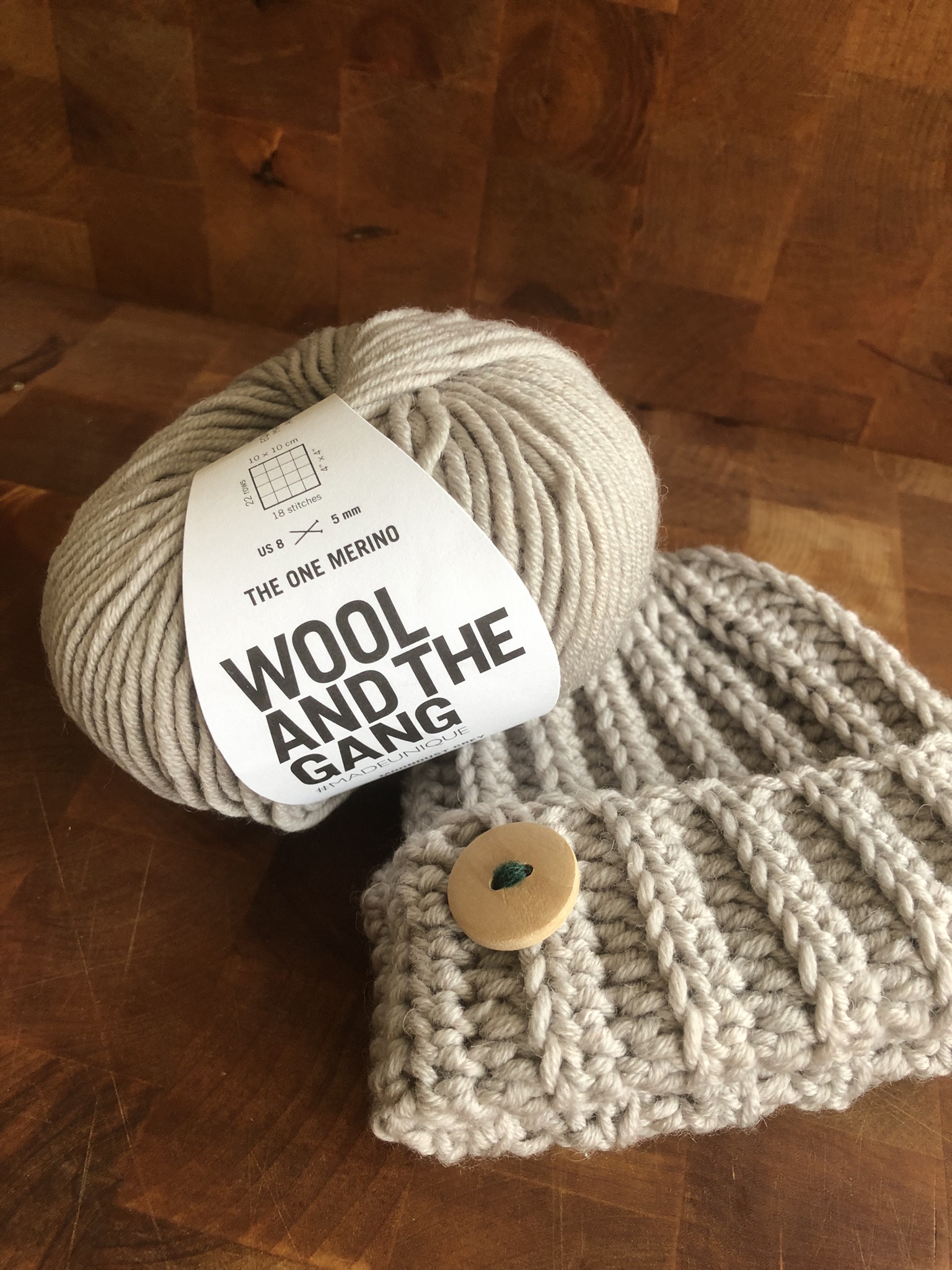
WOOL - Why it’s an incredible material to work with, wear and enjoy.
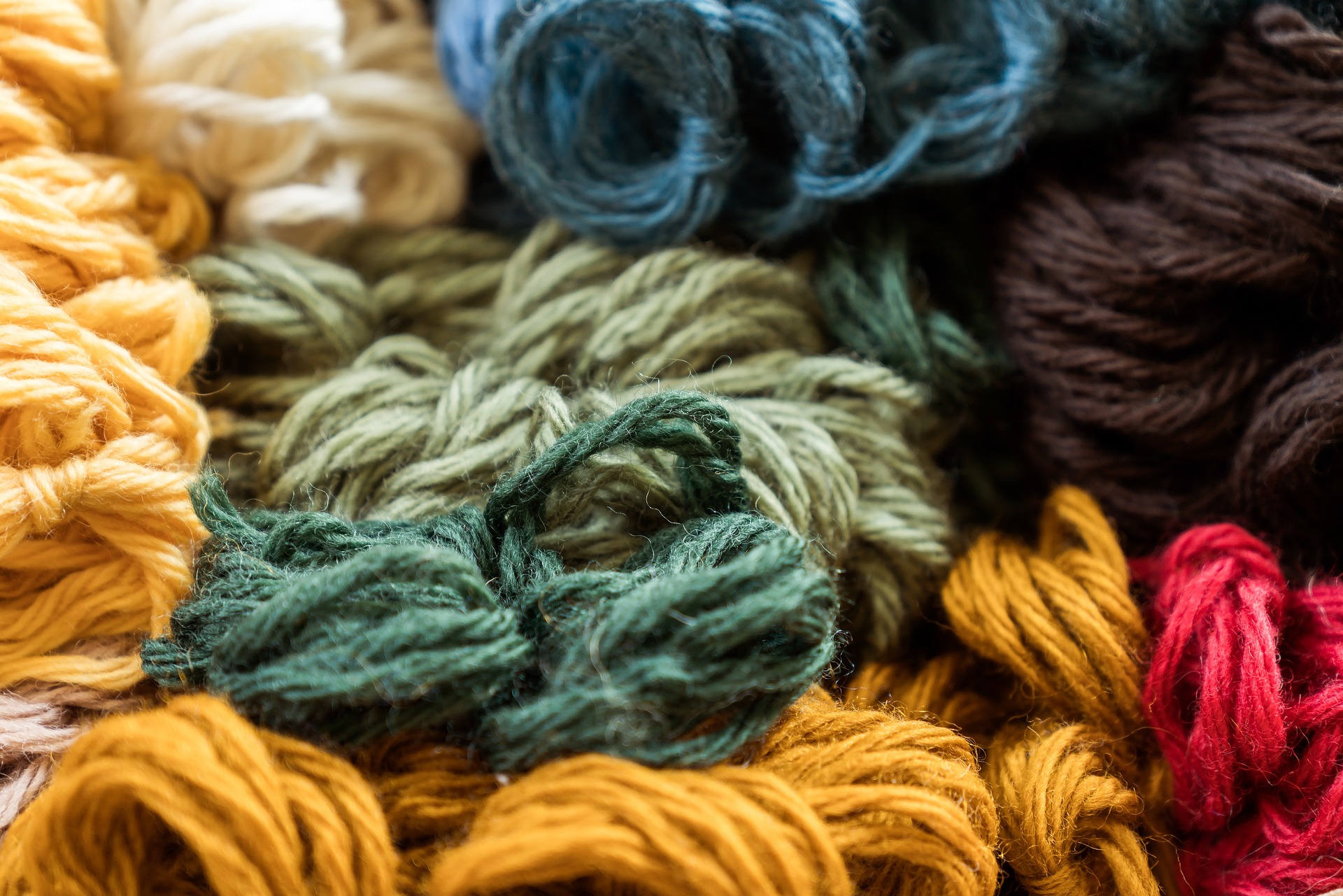
Wool, a natural, durable and recyclable fibre, has a long history dating back thousands of years. Its origins can be traced to ancient civilisations, where the domestication of sheep began around 10,000 BC. The earliest evidence of wool production comes from archaeological findings in Mesopotamia and the Middle East.
The development of woollen textiles revolutionised clothing and provided warmth in colder climates. England became renowned for its high-quality wool production, with the industry becoming a crucial part of its economy. During the Industrial Revolution, technological advancements such as spinning machines and power looms revolutionised the textile industry, making mass production of wool fabrics possible.
Where does wool come from?
The process of harvesting and shearing wool is an intricate and time-honoured tradition that has been practiced for centuries. It begins with the careful selection of sheep breeds renowned for their high-quality wool, such as Merino or Rambouillet. Typically, this process takes place in spring when sheep naturally shed their winter coats. Shearing, the most critical step, requires skilled hands to carefully remove the fleece from each animal.Experienced shearers can expertly remove the fleece in a single piece without causing injury.
How is wool made?
Once removed, the fleece goes through several stages to transform it into usable wool. Skirting involves removing any soiled or undesirable sections of the fleece. Next comes scouring, a thorough cleaning process that removes dirt, grease, and impurities using hot water and mild detergent.
What are the benefits of wool?
One of the key advantages of wool is its excellent insulation properties. The crimped structure of wool fibres traps air, creating a layer of insulation that helps regulate body temperature. This makes wool garments ideal for both cold and warm weather conditions.
Furthermore, wool is highly breathable, allowing moisture to escape from the body while retaining warmth. Unlike synthetic materials, wool can absorb up to 30% of its weight in moisture without feeling damp or uncomfortable. This unique property makes it an excellent choice for activewear and outdoor clothing. Another advantage of wool is its durability. Wool fibres are naturally elastic and can withstand repeated bending and stretching without losing their shape, which is why it's a great choice for any knitting or crotchet project.
Additionally, they are resistant to wrinkles and creases, making woollen garments low-maintenance and long-lasting. Moreover, due to its natural crimped structure, wool is naturally flame-resistant and does not melt or stick to the skin when exposed to heat or fire.
Is wool environmentally friendly?
Wool, a natural and renewable fibre, holds great potential in terms of environmental sustainability. The production of wool involves minimal negative impacts on the environment compared to synthetic fibres. Wool is derived from sheep, which contribute positively to the ecosystem by grazing on grasslands, preventing the spread of invasive plant species and enhancing biodiversity. Sheep farming practices have evolved with a focus on sustainable land management.
Additionally, wool production requires significantly less energy during processing compared to synthetic fibres like polyester or nylon. Wool is also biodegradable, unlike many synthetic textiles that contribute to microplastic pollution in water bodies. At the end of its lifecycle, wool can be composted or returned back to nature without causing harm.
How do I care for my wool garment?
To ensure your wool products maintain their quality and longevity, proper care and maintenance are essential. It is generally recommended to hand wash wool items using a mild detergent or a specialised wool wash. Avoid using hot water as it can cause shrinkage or felting of the fibres.
After washing, gently reshape the garment and lay it flat to dry, avoiding direct sunlight or heat sources that may damage the wool fibres. If necessary, you can also use a protective mesh bag when machine washing on a delicate cycle. To prevent pilling – small balls of fibre forming on the surface – avoid excessive rubbing or friction during wear or washing.
For removing any pills that do form, use a fabric shaver or gently run your fingers over them. Regularly airing out your wool products can help eliminate odours and keep them fresh between wears.
What is the best wool for crochet or knitting?
When choosing wool for your project, make sure the yarn matches the weight and size needed for your pattern. Also take into consideration whether a 100% wool yarn or a blended yarn might suit your garment better, for example; when making socks, wool gives your socks warmth and durability; and nylon will give them a nice elasticity; so a wool/nylon blend is great to work with.